Professional Low Impact Tree Trimming
Affordable Trimming in Rochester MN
PROFESSIONAL TREE CARE
507-405-0892
What we don't do
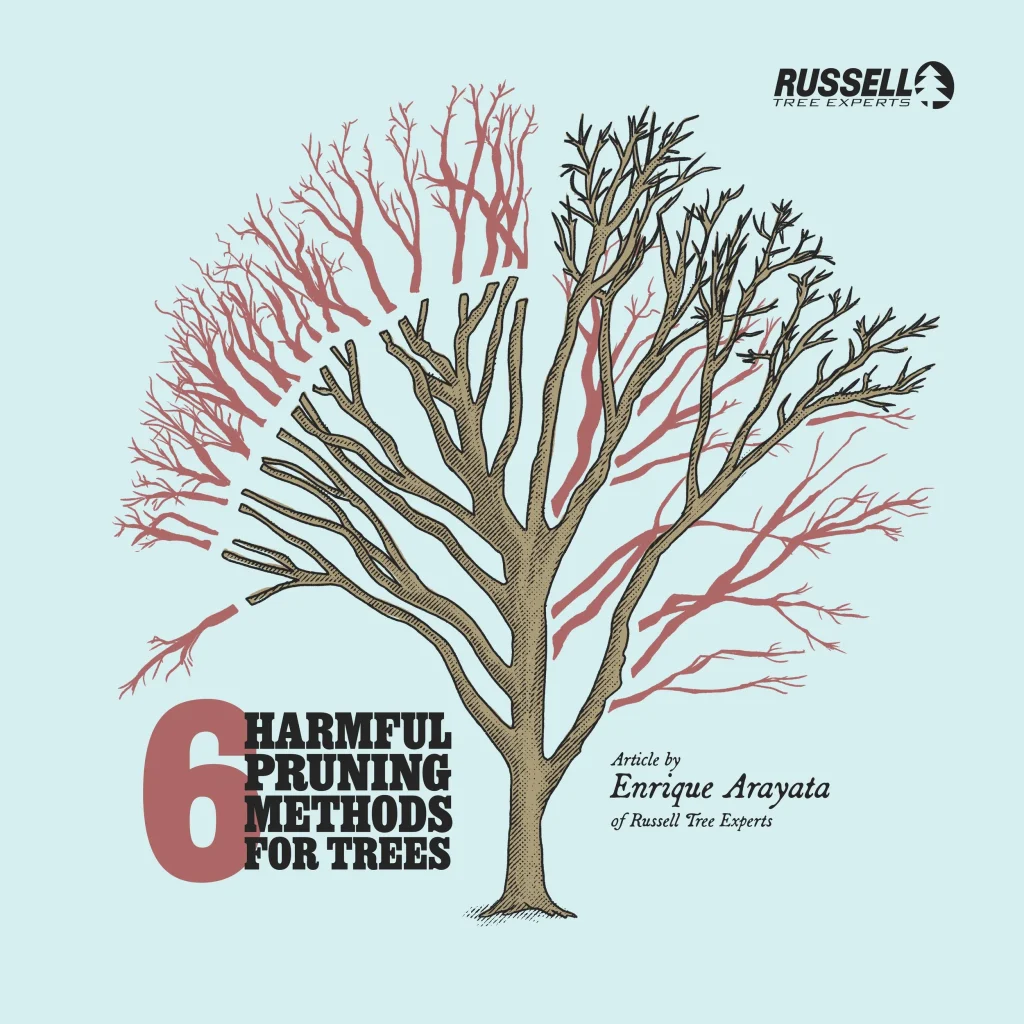
What Is Bad Pruning?
Bad pruning is more than just an eyesore; it’s a biological assault that compromises a tree’s health, safety, and lifespan. It typically involves random “hacking”—such as topping, over-thinning, or using climbing spikes—which creates large, jagged wounds that the tree cannot easily seal. These improper cuts leave the tree vulnerable to pests and decay while triggering “panic growth,” resulting in weak, brittle branches that are far more likely to fail during a storm. Ultimately, bad pruning turns a majestic landscape asset into a high-risk, high-maintenance liability.
What is Professional Tree Pruning?
Pruning is the surgical removal of specific branches to improve a tree’s structural integrity. While trees in the wild “self-prune,” a backyard tree in Southeastern Minnesota needs a different approach. We ensure dead or overhanging limbs don’t become hazards to your home, cars, or power lines.
At Cut & Leave Tree Service, we believe pruning is a blend of art and biology. Whether you are in Elton Hills, Fox Croft, or anywhere in the Rochester metro, we provide expert tree care designed to keep your canopy healthy and your property safe.
Our Systematic approach
we're careful about equipment
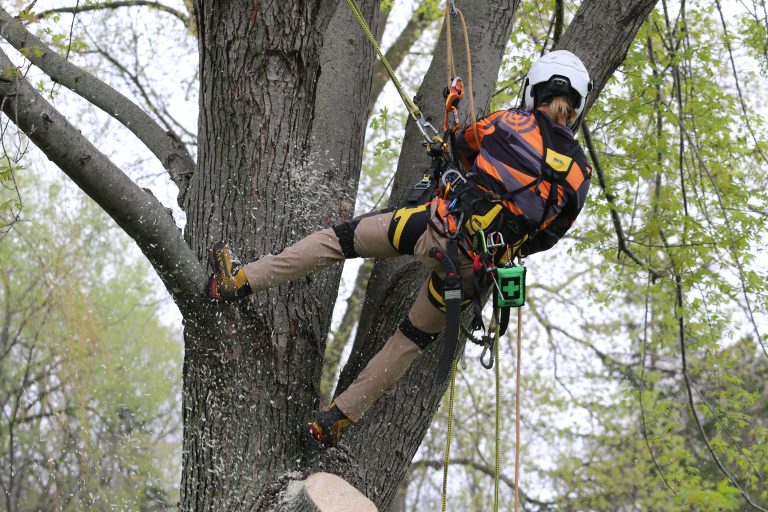
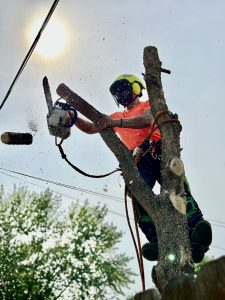
Strategic Equipment Use: You might see me put on climbing spikes if I’m tackling one specific, massive limb that’s hanging dangerously over your roof. In those “high-stakes” moments, spikes give me the stability needed to remove a heavy hazard safely and quickly. However, once that specific task is done, the spikes come off.
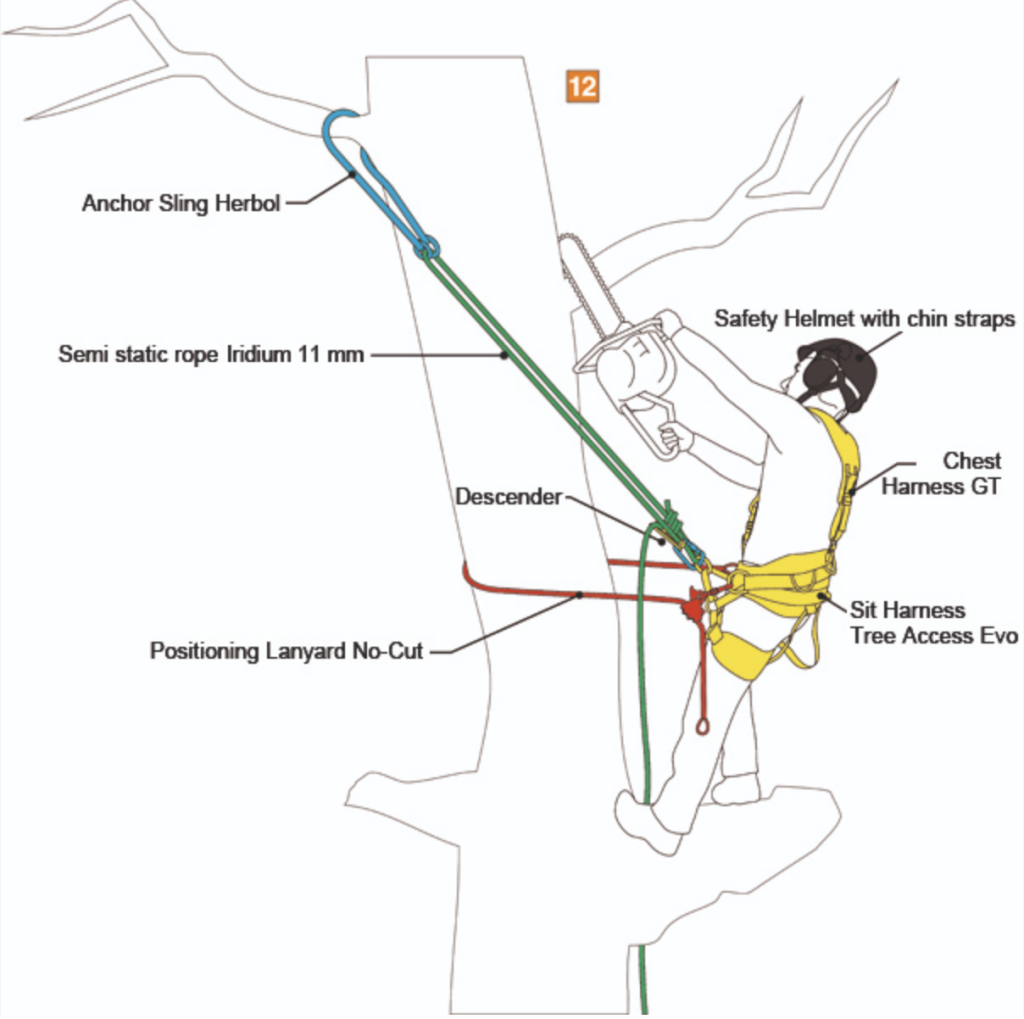
Protecting “Thin-Skinned” Trees: For general pruning—especially on trees with fragile bark like Sugar Maples—I avoid spikes 90% of the time. While some guys use them for every job because it’s “easier,” I take the extra time to use ropes and harness systems. This ensures I don’t leave your tree covered in hundreds of puncture wounds that lead to sap-bleeding and disease.
The 25% Rule: A tree’s leaves are its food factory. I follow the professional standard of never removing more than 25% of a tree’s living canopy in a single season. Taking too much at once “starves” the tree and puts it into a state of shock, making it vulnerable to the Rochester climate and local pests.
Respecting the ANSI Standards: These aren’t just “suggestions”—they are the industry gold standards for tree health. By limiting spike use and sticking to proper pruning volumes, I’m making sure I’m not just fixing a problem today, but ensuring your tree is still standing strong ten years from now.
Integrity in Every Climb: My goal is to do what’s best for the tree and your home. If a tree is too soft or the bark is too thin, I’ll always choose the method that protects the tree’s “skin,” even if it takes a little more effort on my part.
no Tree Topping
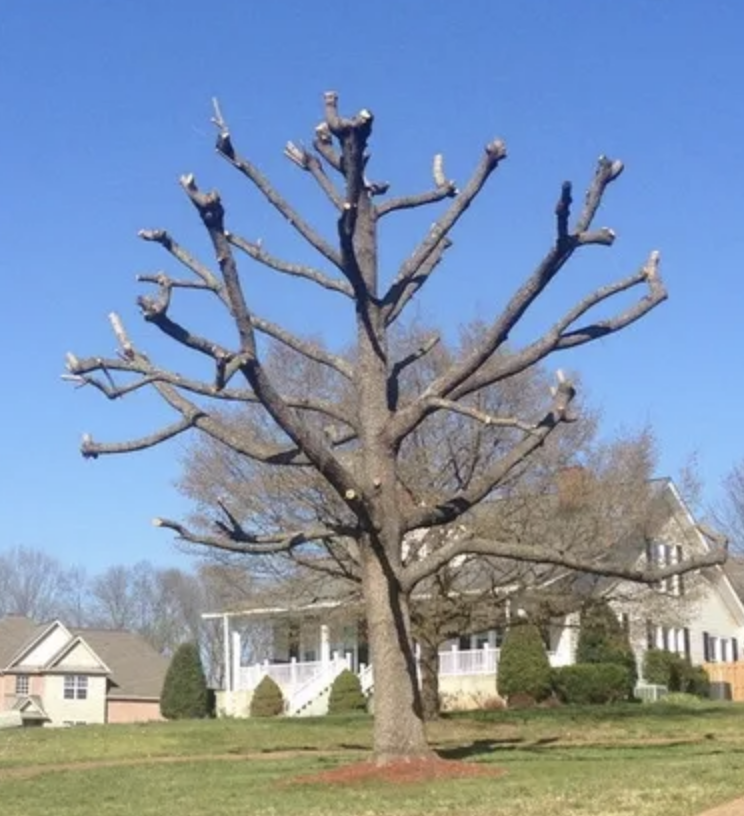
This is a removal we did, but it serves as a great example of what tree topping looks like. It is not ideal for tree health. Should only be used if you are doing removals.
Why it doesn't work
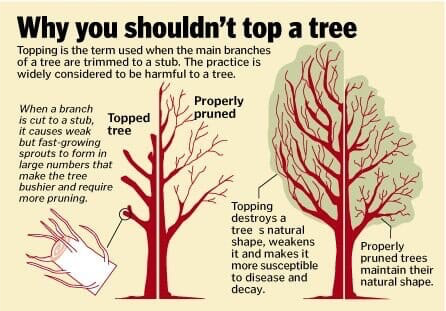
Topping is the cardinal sin of arboriculture. It’s the practice of lopping off the top of a tree to “control height,” but it actually does the exact opposite.
The Starvation Response: By removing the upper leaf canopy, you strip the tree of its food factory. The tree enters a panic state.
Zombie Branches: In response to topping, the tree sends out “epicormic sprouts” (water sprouts). These grow incredibly fast—meaning the tree gets tall again quickly—but they are weakly attached to the outer bark and prone to snapping in high winds.
Sunscald: The interior bark, suddenly exposed to direct sun, can literally burn and die.
The Verdict: Topping creates a high-maintenance, high-risk liability. We use crown reduction to manage size while maintaining structural integrity.
No Tree Shaping (only hedges)
Why it doesn't work
A Tree is Not a Hedge: Trees have a natural “blueprint.” When you force them into a round or square shape, you’re fighting their biology, which leads to weak wood and a stressed-out tree.
A Disaster for Disease: “Shaping” creates hundreds of tiny, jagged wounds. In Minnesota, these open doors are an invitation for Oak Wilt beetles and other pests to move in and start feeding.
The “Panic Growth” Trap: When you shear the tips of branches, the tree panics and sends out dozens of thin, vertical “sucker” shoots. These grow back faster than the original branch but are incredibly weak and likely to snap in a Rochester ice storm.
Sunburn is Real: Leaves act like an umbrella for the tree’s bark. When you shear them all off to “shape” the tree, the interior bark gets hit by direct sunlight it isn’t used to, which can literally cook the living tissue underneath.
The Never-Ending Bill: Once you start “shaping” a tree, you’re stuck doing it every year to manage the ugly, frantic regrowth. Proper structural pruning lasts much longer and keeps the tree healthy for decades, not just weeks.
Tree Assesment
When I assess your tree, I consider:
Species & Health: Is it a sturdy Oak or a brittle Silver Maple?
Access & Safety: Can we use low-impact climbing gear, or are there power line hazards?
Your Goals: Are we pruning for aesthetics, storm resistance, or safety?
Hazard Proximity: How close is the tree to your house, fence, or sidewalk?
Best Timing
Winter (Dormant Season): Our favorite time! With the ground frozen, we have zero impact on your lawn. It’s also the safest time to avoid spreading diseases.
Spring: Ideal for promoting vigorous new growth.
Summer: Best for spotting deadwood that is hidden when the tree is bare.
Fall: Great for clearing hazards before the ice and snow arrive.
Benefits of Pruning
Proper pruning is one of the best investments you can make for your property value. It:
Boosts Tree Health: Removes disease before it spreads.
Storm Proofing: Helps the tree resist the heavy snow and high winds common in Southern MN.
Safety First: Prevents “widow-makers” from falling unexpectedly.
Natural Beauty: Maintains the “Rochester-grown” look of our local neighborhoods.
emerald Ash borer
What about Ash Trees in Minnesota?
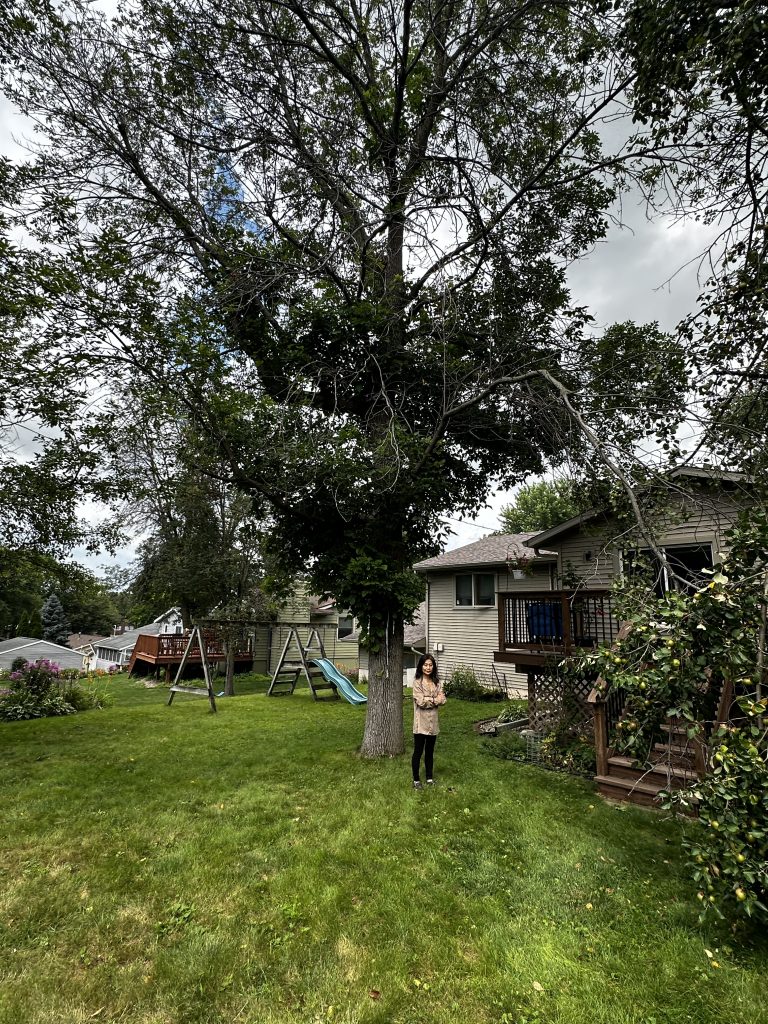
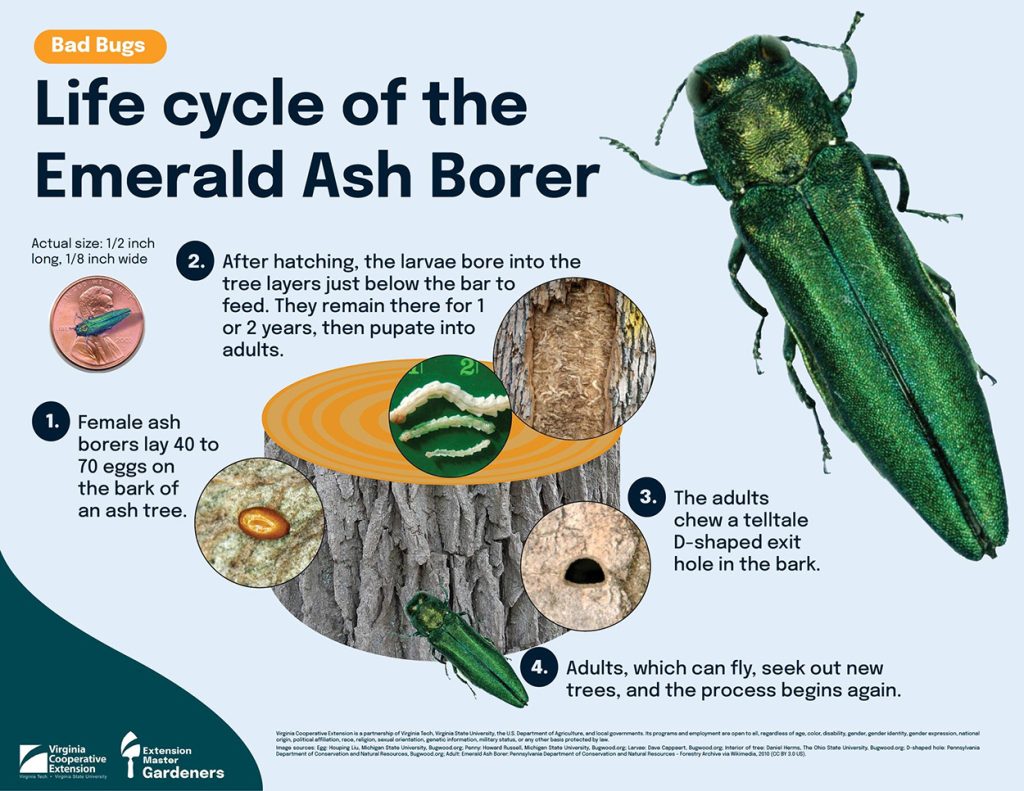
With Emerald Ash Borer (EAB) now present in over 59 Minnesota counties, an untreated ash tree is essentially on “borrowed time.” Investing money in aesthetic pruning for a tree that will likely be dead in 3–5 years is usually not a wise use of your client’s budget.
Here is the breakdown of when to prune versus when to pass:
Pruning is ok if..
The tree is being treated: If the homeowner is committed to trunk injections (like Emamectin Benzoate) every 2–3 years, the tree is an asset worth maintaining. In this case, prune to remove deadwood and improve structure.
It’s a safety hazard: If a large limb is overhanging a bedroom or a power line, you prune for safety regardless of the tree’s long-term EAB outlook.
It’s the “Dormant Season” (Oct 1 – April 30): In MN, you should never prune ash trees in the summer. Open wounds during the “flight season” (May–September) release scents that practically invite EAB to the party.
Save your money if..
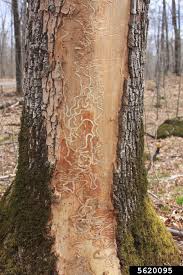
It’s untreated and EAB is in the area: If the neighborhood is already seeing “blonding” (woodpecker damage) and canopy thinning, the tree is likely already infested. Pruning is just putting a fresh coat of paint on a house that’s burning down.
The canopy is more than 30-50% gone: At this point, the vascular system is too damaged for treatment to be effective. The tree is becoming brittle.
The cost of pruning is nearly the cost of removal: Ash wood becomes incredibly brittle once dead, making “dead-wood removals” much more dangerous and expensive than removing a living tree.
Pruning is the surgical removal of specific branches to improve a tree’s structural integrity. While trees in the wild “self-prune,” a backyard tree in Southeastern Minnesota needs a different approach. We ensure dead or overhanging limbs don’t become hazards to your home, cars, or power lines.
Oak Wilt
What about Oak Wilt in Minnesota?
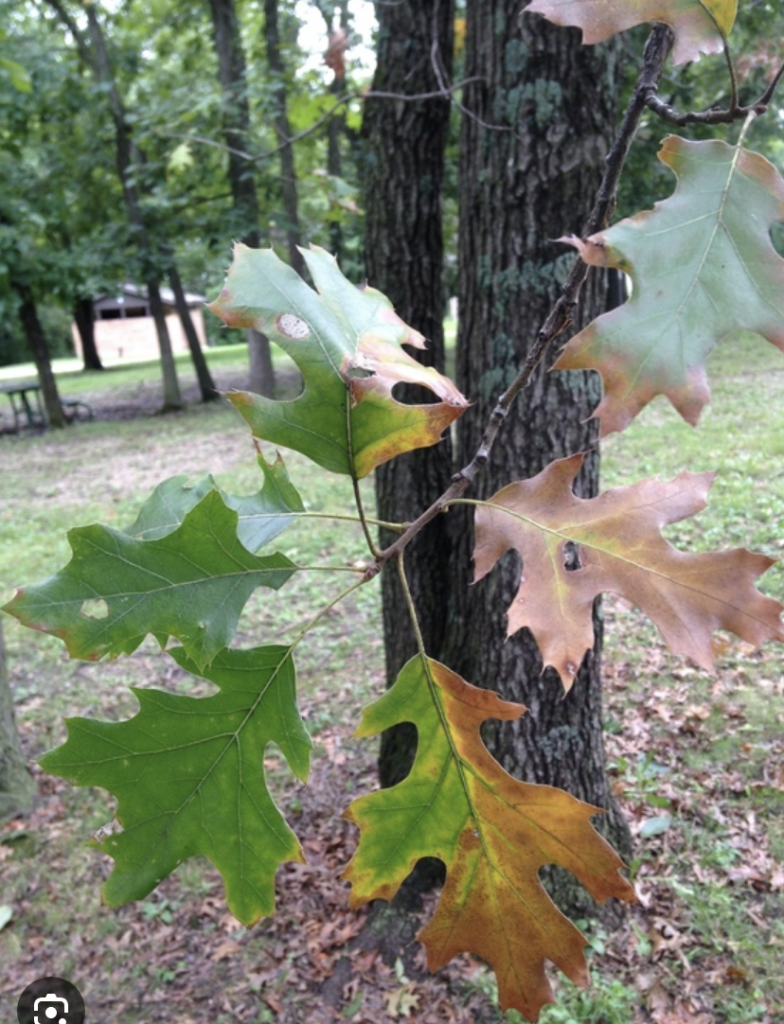
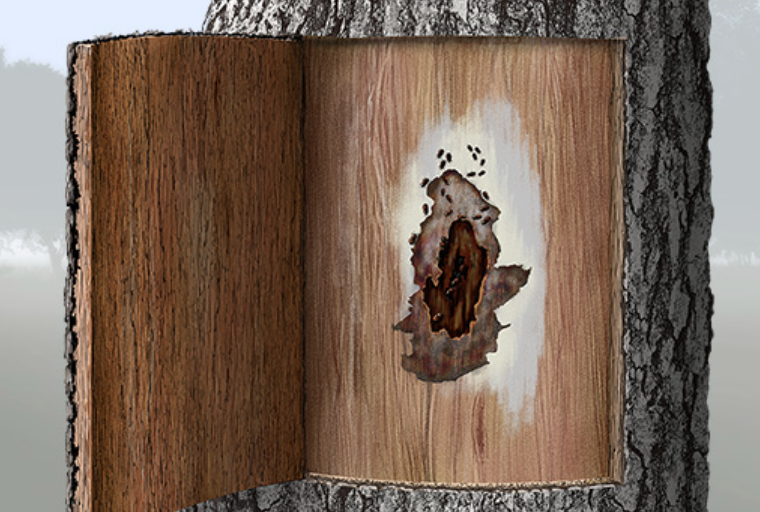
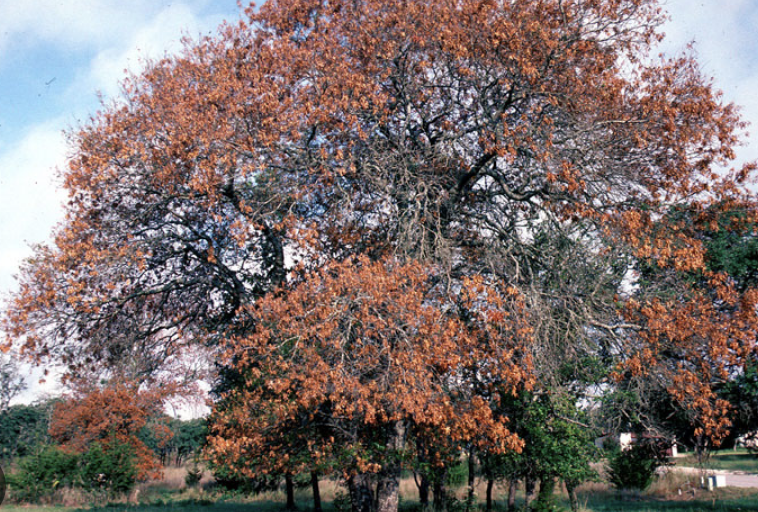
If you have Oak trees on your property, Oak Wilt is the single biggest threat you need to understand. Unlike many tree diseases that take years to kill, Oak Wilt is a aggressive fungal infection that can turn a majestic, healthy Red Oak completely brown and dead in as little as four to six weeks. It essentially “clogs” the tree’s water-conducting veins, causing it to wilt from the top down. For homeowners in Rochester, this isn’t just a landscaping issue, it’s a race against time to protect your property value and your neighbors’ trees.
How It Spreads
The confusion usually starts with how the disease actually moves. It spreads in two very different ways: Overland and Underground. * Overland: Small “picnic beetles” are attracted to the sweet smell of sap from a fresh wound or pruning cut on an Oak tree. If that beetle has been on an infected tree, it carries the fungal spores directly into your healthy tree. This is why we never prune Oaks in the spring or early summer (April–July); the smell of a fresh cut is like a dinner bell for these beetles.
Underground: This is the part most people miss. Oaks of the same species often have “grafted” roots, meaning their root systems are physically fused together underground. Once one tree is infected, the fungus travels through these natural pipelines, killing every connected Oak in its path. One bad pruning cut on your property can accidentally kill your neighbor’s favorite tree across the fence line.
Timing Matters
At Cut and Leave Tree Service, we take a “Safety First” approach to Oak Wilt. If you call us to prune a healthy Oak in May or June, we will likely tell you to wait until the “Safe Zone” (late fall or winter). This isn’t because we don’t want the work, it’s because we refuse to risk your trees. If a storm breaks a limb during the high-risk season, we treat it as an emergency and seal the wound immediately with specialized paint to “hide” the scent from beetles. In the world of Oak Wilt, an ounce of prevention is worth an entire landscape of cure.